 Anthony Cunliffe, National Lead Medical Adviser, Macmillan Cancer Support
- Shift in Healthcare Systems: Examining the transition from provider-centric to patient-centered models.
- Patients as Partners: The evolving role of patients in care, research, and innovation.
- Stakeholder Collaboration: Building trust, transparency, and shared accountability.
- Empowerment Drivers: The impact of digital health, policy, and education on patient empowerment.
Moderator:
 Sarah Contiero, Associate Director, Spectrum Science
Panelists:
 Dan Farrow, Head of Community Engagement, Breakthrough T1D
 Sailaja Maganti, Founder, Prurigo Nodularis International Charity
 Kayuri Odedra, Associate Director, Patient Inclusion, EMEA Region, Abbvie
 Hamda Munawar, Senior Patient Advocacy Manager, Daiichi Sankyo Europe GmbH
- What’s the benefit of using health data for research?
- How can the pharmaceutical industry and patients work together to give people access to clear and reliable information about use of health data?
- What safeguards matter to patients?
 Janet Messer, Director of Health Data and Digital Policy, ABPI
 Caleb Meath, Innovation and Research Policy Manager, ABPI
- Benchmarking report on quantifying what is unquantifiable – patient centricity
- Sharing best practices of patient empowerment and engagement across pharma
- How digital channels, platforms impact shared decision making and ultimately improve lived experiences?
 Gabor Purman, Patient Advocacy Director, Kyowa Kirin
- The challenge: Entering the market as an unknown company in a space where a huge amount of information was available, yet unmet needs still existed; why empowerment starts with involving people living with a condition in defining the problem, not just validating the solution.
- Starting with Patients: How patients, caregivers and clinicians collectively defined the problem we needed to solve in prostate cancer.
- Tackling the Unmentionables: The role of lived experience in identifying under-discussed topics such as intimacy and incontinence.
- From insight to action: Turning lived experience into practical tools that help people feel informed, confident and able to participate in shared decision-making.
- What we learned: What we’ve learned about creating programmes that empower people to take action, advocate for themselves and personalise their care, and how that is shaping the next phase of the programme. We also faced challenges finding representation across different ethnicities and cultures in Series 1, which became the top focus for Series 2.
 Rosanna Forrest, Director, Patient Engagement, Spectrum Science
 Nick Johnson, Patient Engagement & Communications Lead, Accord Healthcare
 Sanjiv Kanwar, Patient Advocate

- Mapping the patient journey: Evaluating the process from initial diagnosis through to long-term care.
- Identifying unmet needs: Pinpointing specific requirements that are currently not being addressed.
- Integrating multidisciplinary teams: Coordinating various care teams to ensure a cohesive approach.
- Redesigning services: Utilizing patient insights to improve and restructure service delivery.
 Rebecca Lisle, Head of Patient Advocacy EU/INT, Jazz Pharmaceuticals
 Gunnar Schroefel, Sr Director & Head of Oncology Patient Advocacy, Daiichi Sankyo Europe & Canada
- The Journey of a Child who was not supposed to be alive long enough to thrive in society
- The moment that changed my life forever
- Creating a movement for patients to gain confidence
 Anjana Pindoria, Founder, I am Patient
- Moving beyond “tick-box” patient engagement to meaningful partnerships
- Translating patient insights into actionable changes in clinical practice and trials
- Common gaps between patient input and implementation – and how to close them
- The role of patient organisations and structured engagement models
- Building sustainable cross-sector collaboration between patients, industry, and healthcare systems
- Measuring the impact of patient involvement in real- world settings
 Lisbeth Snede, President, PiCC United
- Exploring how lived experience reveals unmet needs, challenges long held assumptions, and drives meaningful transformation in diagnosis, management,
and support for VWD patients and their families. - How co‐created solutions, from shared decision making tools to redesigned care pathways, can improve outcomes and enhance quality of life.
- It will also explore how patient involvement can address inequities, particularly for women and people with mild or variable symptoms whose experiences
are frequently overlooked
 Cat Wilder, Chair, VWD Alliance
- From insight to action: closing the gap
- Barriers to true patient partnership in pharma
- Embedding patients across the full lifecycle (R&D to support)
- Co-creation in practice: from touchpoints to continuity
- Trust and transparency as enablers of collaboration
- Measuring impact: from activity to patient value
 Joana Pina, Patient Advocate, President, CBP Portugal
- Advocating for yourself or others is always a hard to navigate
- Having strong, peer reviewed evidence available during consultations greatly assists the discussion, leading to a shared care plan.
- Care that feels as if each party is equal is more effective and allows the individual to feel in control.
 Carl Lander, Research Director, Pyruvate Kinase Deficiency International Alliance
- Tabby’s story as a lens: A journey through two rare diagnoses that reveals how the system is not built for rare conditions.
- Where inequity shows up: Delays, missed opportunities, and fragmented care that create unequal experiences for rare disease families.
- The burden on families: How parents become coordinators and advocates, often carrying the system when it doesn’t work.
- Privilege and persistence: Recognising that being able to keep going back and push for answers is a privilege— not all families can, and that deepens inequity.
- From inequity to change: What needs to improve— earlier recognition, joined-up care, equitable access, and truly listening to lived experience.
 Hannah Humphrey, Mum of a Child with 22q11 Deletion & TANGO2, Lived Experience Expert
Anthony Cunliffe, National Lead Medical Adviser,
Macmillan Cancer Support
- Creating a safe environment tailored to the unique challenges of a light sensitive condition (erythropoietic protoporphyria – EPP)
- Reducing isolation by connecting peers with shared lived experience
- Building confidence and resilience through practical disease management strategies
- Enabling experience of the positive physical and emotional benefits of being outdoors in nature
 Liz Gill, CEO, The British Porphyria Association
- Why partnerships matter
- Partnering with global patient communities
- Partnering with clinical networks
- Partnering with industry
- Empowering through education, support and research
- Impact: From voice to influence
 Sue Burrell, President, GPAC
- Seen: who is missing from the room, and why under- represented patients, including women across all conditions, remain invisible in how services, research and tools are designed
- Heard: lived experience vs professional representation and who decides which patient voices count
- Paid: why unremunerated involvement is a marker of performative engagement, and what fair compensation for patient expertise looks like
- Protected: empowerment beyond the clinic, including employment rights, financial security and extending the Right to be Forgotten to the workplace
- The test: practical criteria industry, providers and policymakers can use to tell true empowerment from performance
 Atefeh Sadeghi, Founder & President, Women Cancer
Europe
- Why I’m here
- Our role as Patient Advocates within research as a partner
- The Role of Patient Organisations
 Dave Chuter, Chair, ICPV
- The Engagement Gap: When Evidence Isn’t Understandable
- Plain Language Summaries as a Strategic Engagement Tool
- Building Trust through Transparency and Accessibility
- Tackling Health Inequalities and Digital Exclusion
- Enhancing Research Impact and Real-World Adoption
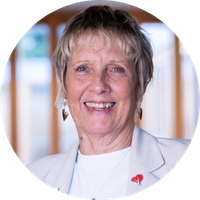 Karen Rockell, Director, UKODTRN
- Why communication gaps persist despite advances in medicine and patient-centred care
- The “invisible layer” of consultations: what patients hold back and why
- Power, time, and structure: systemic barriers to meaningful dialogue
- Real-world patient and clinician perspectives from ongoing research
- The impact of missed dialogue on trust, adherence, and outcomes
- Moving beyond “engagement”: practical ways to enable better conversations across healthcare systems
- What patient advocates, clinicians, and industry can do differently
 Cornelia Reyes Acosta, Research Associate in Digital Health, King’s College London
- Impact & proof: Where have patient organisations demonstrably changed a policy position, pathway, or decision— what did “impact” look like, and how was it evidenced?
- Health & Wealth: How to engage patients in industrial and economics policy debates that impact their health?
- HTA & technical barriers: HTA is often a “technical nightmare” for patient communities—what would it take to make patient experience a first-class input to evidence generation and assessment?
- Closing the loop: What does a credible “feedback loop” look like—how should institutions and industry show patients exactly what changed (or didn’t) because of their input?
- Definition of success: If we reconvened in 12 months, what specific changes would prove we’ve moved from “input” to “impact”—fewer delays, less postcode variation, clearer decisions, better equity?
Moderator:
 Victoria Hayes, Director, Public Affairs, Kyowa Kirin
Panellist:
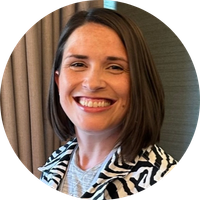 Dr Lucy McKay, Chief Executive Officer, Medics for Rare Disease
Lisbeth Snede, President, PiCC United Tiberius Pereira, Co-founder, Patient Safety Ireland (PFPSI)
 Naho Yamazaki, Deputy Director, Policy and Partnerships, Health Research Authority
 Gunnar Schroefel, Sr Director & Head of Oncology Patient Advocacy, Daiichi Sankyo Europe & Canada Anthony Cunliffe, National Lead Medical Adviser, Macmillan Cancer Support