2nd Patient Empowerment World Congress 2026 Europe

Part of the Patient Centricity & Collaboration Series

“Connecting Patients, Clinicians, Industry and Policymakers to Transform Healthcare Through Partnership, Innovation and Empowerment.”

  • 00Days
  • 00Hours
  • 00Minutes
  • 00Seconds

Patient meets Innovation & Collaboration

Patient empowerment and understanding to inspire and create a meaningful impact.

FACILITATE LIVE is very pleased to welcome you to our upcoming 2nd PATIENT EMPOWERMENT World Congress 2026 Europe. The congress focuses on “Connecting Patients, Clinicians, Industry and Policymakers to Transform Healthcare Through Partnership, Innovation and Empowerment.”

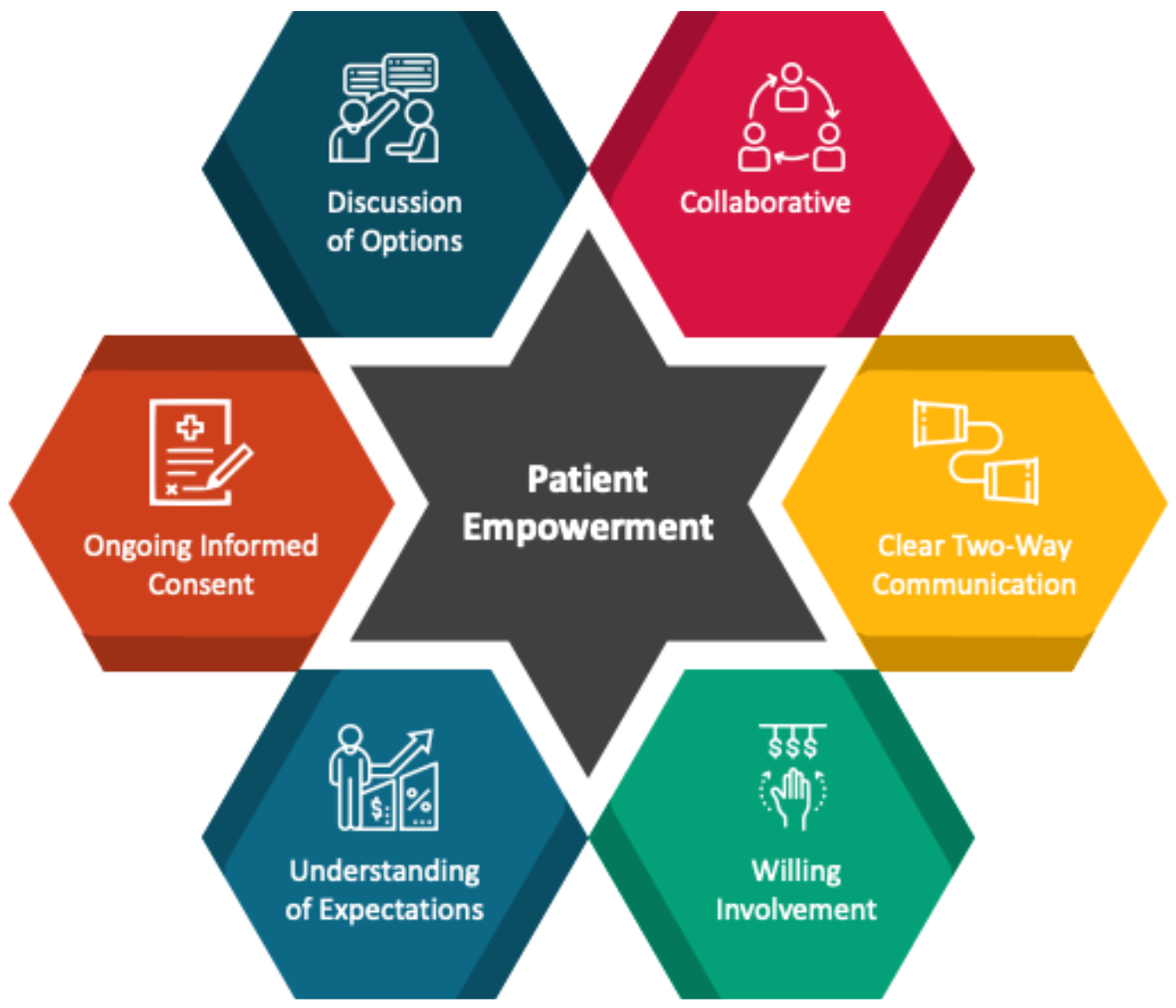
Patient empowerment refers to enabling individuals to gain the knowledge, skills, confidence, and authority to actively participate in decisions about their health and healthcare. Rather than being passive recipients of care, empowered patients become informed partners who collaborate with healthcare professionals to manage their conditions, make treatment decisions, and improve their overall well-being.

Traditionally, healthcare systems followed a paternalistic model in which clinicians made most decisions for patients. Today, however, there is growing recognition that patients who understand their health conditions and engage in their care are more likely to achieve better outcomes. Patient empowerment, therefore, shifts healthcare toward shared decision-making, transparency, and respect for patient preferences, values, and lived experiences. A fundamental aspect of patient empowerment is access to clear and reliable information. Patients need understandable guidance about their diagnoses, treatment options, potential risks, and expected outcomes. Health literacy plays a crucial role in enabling individuals to interpret this information and navigate complex healthcare systems. When patients are well informed, they can make better decisions and participate more confidently in discussions about their care.

Involving patients in treatment decisions and ensuring they understand their care plans significantly improves adherence to prescribed medications and therapies. By combining shared decision-making with comprehensive patient education, individuals can choose treatments that align with their needs and lifestyles. This collaborative approach leads to improved health outcomes, quicker recovery, reduced anxiety, and a greater likelihood that patients will adopt healthier lifestyles and actively monitor their conditions.

Patient empowerment is particularly important for people living with chronic diseases, where self management plays a key role. Empowered patients are more likely to monitor symptoms, manage medications effectively, and take preventive actions to maintain their health. Healthcare providers support this process through education, coaching, and digital tools that help patients track and manage their well-being.

When patients feel heard and respected, it strengthens their relationship with healthcare providers and encourages open communication and trust. This engagement is also essential for the pharmaceutical and life sciences industries. Patient insights help identify unmet needs, improve the design of clinical trials, and guide the development of therapies and support programs that better reflect real patient experiences. Patients who are actively involved in research are also more likely to participate in clinical studies and remain engaged throughout
the process.

Patient empowerment also supports ethical principles by respecting patient autonomy and enabling individuals to make informed decisions about their health. By ensuring that all patients have access to information, resources, and support, empowerment can also help address health disparities and promote greater health equity.

The two-day Congress will bring together stakeholders across healthcare, pharmaceuticals, patient advocacy, research, and policy, as well as patients and caregivers themselves. It will explore the growing importance of patient empowerment and its implications for both patients and the life sciences industry, with the goal of fostering meaningful dialogue, collaboration, and more patient-centered healthcare systems.

We look forward to meeting you at the Congress!

Sincerely yours,

Jocelyn Raguindin
Conference Director
Facilitate Live 

GAIN LATEST INSIGHTS ON:

By the end of this two-day congress, participants will be able to:

  • Explain the principles of patient empowerment and patient-centred care and their impact on improving health outcomes, patient satisfaction, and healthcare system efficiency.
  • Apply strategies to improve health literacy and patient education, enabling patients to better understand their conditions, treatment options, and care pathways.
  • Integrate shared decision-making approaches into clinical and care practices to ensure treatment plans align with patient values, preferences, and lifestyles.
  • Identify effective methods to support patient self- management, particularly for individuals living with chronic diseases, through education, digital tools, and care coordination.
  • Assess how patient insights and lived experiences can inform healthcare service design, improving care pathways and overall patient experience.
  • Evaluate the role of patient advocacy groups and community organisations in advancing patient engagement, policy influence, and healthcare innovation.
  • Examine strategies for incorporating patient perspectives into clinical trial design and drug development, improving recruitment, retention, and research relevance.
  • Explore the use of real-world evidence and patient- reported outcomes to better understand treatment effectiveness and inform healthcare decision-making.
  • Analyse how digital health technologies—such as telehealth, wearables, and patient portals—can empower patients to manage their health and improve access to care.
  • Recognise opportunities for the pharmaceutical and life sciences industries to build meaningful partnerships with patients, enhancing trust, transparency, and collaboration.
  • Identify best practices for developing patient support programmes that improve medication adherence, disease management, and quality of life.
  • Assess approaches for addressing health inequalities and improving access to care, ensuring patient empowerment strategies are inclusive and equitable.
  • Develop cross-sector collaboration strategies among healthcare providers, industry, researchers, policymakers, and patient organisations to advance sustainable patient-centred healthcare systems.

WHO SHOULD ATTEND?

This Congress is beneficial to patients, pharmaceutical, biotech companies, researchers, physicians, patient advocacy groups, regulatory agencies, technology, and healthcare companies.

Network with Presidents, Heads/Chiefs, VPs, Directors, and Managers in the area of:

  • 00Days
  • 00Hours
  • 00Minutes
  • 00Seconds

Key Industry Expert Speakers 2026

VICTORIA HAYES

Director Public Affairs, Northern Cluster

Kyowa Kirin

Dave Chuter

Chair

Independent Cancer Patients' Voice (ICPV)

LARA BLOOM*

President and CEO

The Ehlers-Danlos Society

Anjana Pindoria

Kidney Tx Patient, Founder

I am Patient

Stephen O’Farrell

Executive Director, Patient Engagement

Spectrum Science

Steve Clark

Founder and Patient Advocate

Strive for Five

Joana Pina

Patient Advocate, President

CBP Portugal

Liz Gill

CEO

The British Porphyria Association

Marta Lago

Programme Co-lead

The Care Lab

Karen Rockell

Patient Co‑Director/PPIE Lead

UKODTRN

Cornelia Reyes Acosta

Research Associate in Digital Health

King's College London

ROBERT MITCHELL-THAIN

CEO

PBC Foundation

Lisbeth Snede

President

PiCC United

Dan Farrow

Head of Community Engagement

Breakthrough T1D

Hannah Humphrey

Mum of a Child with 22q11 Deletion & TANGO2

Lived Experience Expert

Carl Lander

Director of Research, PKDIA, Co-Chair

Metabolic Support UK

CAROLE SCRAFTON

Director & Co-Founder

Flutters and Strutters

Senior Representative

Available Shortly

Coming Soon!

STEVE CLARK

Founder and Patient Advocate

Strive for Five

DR LIZ CLARKE

Visiting Lecturer and Patient Engagement Theme Lead

Centre for Pharmaceutical Medicines Research, Kings College London

Rasmus Hjorth

Patient Engagement Director

James Lind Care

Senior Representative

Available Shortly

Pharma

Senior Representative

Available Shortly

Biotech

Senior Representative

Available Shortly

Biotech

Senior Representative

Available Shortly

Biotech

Senior Representative

Available Shortly

Biotech

Patient

Available Shortly

Patient Advocate

Patient

Available Shortly

Patient Advocate

Schedule

Content Rich Program Agenda!  Featuring Keynote Presentations, Stream Sessions, Panel, and Round Table Discussions.

BUILDING THE FOUNDATION OF PATIENT EMPOWERMENT

  • Shift in Healthcare Systems: Examining the transition from provider-centric to patient-centered models.
  • Patients as Partners: The evolving role of patients in care, research, and innovation.
  • Stakeholder Collaboration: Building trust, transparency, and shared accountability.
  • Empowerment Drivers: The impact of digital health, policy, and education on patient empowerment.

Moderator:

Panelists:

Dan Farrow, Head of Community Engagement, Breakthrough T1D

  • Identifying and addressing specific obstacles to health literacy across diverse populations.
  • Developing methods to translate complex medical information into clear, accessible language.
  • Defining the critical role healthcare professionals play in effective patient education.
  • Designing and implementing patient-friendly information resources.
  • Exploring practical resources for facilitating collaborative treatment decisions.
  • Strategies for ensuring treatment plans are closely aligned with patient values and lifestyle requirements.
  • Identifying methods to overcome prevalent time and systemic challenges within clinical settings.
  • Evaluating the direct influence of shared decision-making on patient adherence and overall clinical outcomes.
  • Evaluating the effectiveness of current platforms in facilitating patient engagement.
  • Discussing how data-driven tools can tailor health information to individual patient needs.
  • Developing strategies to ensure patients have access to accurate, verified medical information online.
  • Examining how transparent access to personal health records fosters better patient autonomy and outcomes.
  • Designing programmes around patient needs: Ensuring that the patient experience is at the heart of every initiative.
  • Measuring engagement and outcomes: Implementing robust frameworks to track the effectiveness and reach of your support services.
  • Partnerships with healthcare providers: Strengthening collaborations to ensure seamless integration and improved patient care.

  • New digital platforms designed for enhanced patient engagement.
  • The integration of remote monitoring and AI applications in clinical settings.
  • Practical case studies presented by leading innovators in the field.
  • Mapping the patient journey: Evaluating the process from initial diagnosis through to long-term care.
  • Identifying unmet needs: Pinpointing specific requirements that are currently not being addressed.
  • Integrating multidisciplinary teams: Coordinating various care teams to ensure a cohesive approach.
  • Redesigning services: Utilizing patient insights to improve and restructure service delivery.

PATIENT VOICE IN HEALTHCARE DESIGN & INNOVATIONS

  • The Journey of a Child who was not supposed to be alive long enough to thrive in society
  • The moment that changed my life forever
  • Creating a movement for patients to gain confidence

Anjana Pindoria, Founder, I am Patient

  • Reducing patient burden within clinical trials.
  • Implementing remote and decentralized trial models.
  • Strategies for improving patient recruitment and retention.
  • Strengthening collaboration with patient advocacy groups.
  • Moving beyond “tick-box” patient engagement to meaningful partnerships
  • Translating patient insights into actionable changes in clinical practice and trials
  • Common gaps between patient input and implementation – and how to close them
  • The role of patient organisations and structured engagement models
  • Building sustainable cross-sector collaboration between patients, industry, and healthcare systems
  • Measuring the impact of patient involvement in real- world settings

Lisbeth Snede, President, PiCC United

3:20 pm - AFTERNOON NETWORKING REFRESHMENTS

  • From insight to action: closing the gap
  • Barriers to true patient partnership in pharma
  • Embedding patients across the full lifecycle (R&D to support)
  • Co-creation in practice: from touchpoints to continuity
  • Trust and transparency as enablers of collaboration
  • Measuring impact: from activity to patient value

Joana Pina, Patient Advocate, President, CBP Portugal

  • Tabby’s story as a lens: A journey through two rare diagnoses that reveals how the system is not built for rare conditions.
  • Where inequity shows up: Delays, missed opportunities, and fragmented care that create unequal experiences for rare disease families.
  • The burden on families: How parents become coordinators and advocates, often carrying the system when it doesn’t work.
  • Privilege and persistence: Recognising that being able to keep going back and push for answers is a privilege— not all families can, and that deepens inequity.
  • From inequity to change: What needs to improve— earlier recognition, joined-up care, equitable access, and truly listening to lived experience.

Hannah Humphrey, Mum of a Child with 22q11 Deletion & TANGO2, Lived Experience Expert

DIGITAL HEALTH & TECHNOLOGY ENABLING PATIENT EMPOWERMENT

  • Utilizing hardware to track patient metrics in real- time.
  • Leveraging artificial intelligence to provide actionable data for patients and clinicians.
  • Enhancing the flow of information between patients and healthcare providers.
  • Using digital interventions to ensure patients follow prescribed treatment plans.
  • Strategies to reach broader patient populations and reduce barriers to entry.
  • Integrating virtual and in-person services to create a seamless, cohesive patient journey.
  • Improving the quality and engagement levels of remote interactions.
  • Addressing the digital divide to ensure equitable access for all patients
  • How are genetic and data insights currently being used to tailor individual treatments?
  • Increasing role of patient involvement in personalised care decisions.
  • Critical ethical considerations and data privacy challenges associated with these advancements
  • Emerging trends shaping the future of precision healthcare

3:20 pm - AFTERNOON NETWORKING REFRESHMENTS

  • Why I’m here
  • Our role as Patient Advocates within research as a partner
  • The Role of Patient Organisations

Dave Chuter, Chair, ICPV

  • The Engagement Gap: When Evidence Isn’t Understandable
  • Plain Language Summaries as a Strategic Engagement Tool
  • Building Trust through Transparency and Accessibility
  • Tackling Health Inequalities and Digital Exclusion
  • Enhancing Research Impact and Real-World Adoption

Karen Rockell, Director, UKODTRN

  • Why communication gaps persist despite advances in medicine and patient-centred care
  • The “invisible layer” of consultations: what patients hold back and why
  • Power, time, and structure: systemic barriers to meaningful dialogue
  • Real-world patient and clinician perspectives from ongoing research
  • The impact of missed dialogue on trust, adherence, and outcomes
  • Moving beyond “engagement”: practical ways to enable better conversations across healthcare systems
  • What patient advocates, clinicians, and industry can do differently

Cornelia Reyes Acosta, Research Associate in Digital Health, King’s College London

  • Practical frameworks for embedding patient voice into innovation pipelines
  • Strategies to leverage digital health for true patient empowerment
  • Insights on overcoming organisational and regulatory barriers
  • Approaches to ensure equitable and inclusive patient engagement
  • Clear methods to measure and demonstrate impact

Moderator:

Victoria Hayes, Director, Public Affairs, Kyowa Kirin

Panellist:

6:15 - 7:15 pm - NETWORKING DRINK RECEPTION

HEALTH EQUITY, ACCESS & PATIENT ADVOCACY

  • Examining the structures necessary to support and mandate patient involvement.

  • Strategies for implementing and expanding these models across diverse healthcare systems.
  • Exploring the vital role of partnerships between different stakeholders in the healthcare ecosystem.
  • Ensuring that patient engagement initiatives are accessible and representative of all populations.

Moderator:

Panelists:

Lara Bloom, President and CEO, The Ehlers-Danlos Society

  • Identifying and connecting with groups that currently lack adequate healthcare representation.
  • Ensuring that messaging is respectful of and responsive to diverse cultural health beliefs and practices.
  • Developing robust frameworks to involve local communities in the healthcare process.
  • Identifying and eliminating the systemic and practical obstacles that prevent individuals from receiving care.
  • An analysis of current standards and what regulators now require from stakeholders.
  • Strategies for ensuring the patient voice directly influences the policy-making process.
  • A review of successful international models and frameworks that have effectively integrated patient-centered care.
  • Addressing the upcoming shifts in policy and how organizations can prepare for evolving requirements.
  • The evolving role of patient communities and advocacy organizations in the current healthcare landscape.
  • The implementation and impact of peer education and support programs.
  • The development of community-led health initiatives.
  • Strategies for expanding patient leadership within these networks.
  • Integrating patient insights into every stage of the medicine lifecycle, from discovery to post-market support
  • Designing clinical trials that reduce patient burden and improve recruitment, diversity, and retention
  • Using patient-reported outcomes and real-world evidence to demonstrate value and improve therapies
  • Building transparent partnerships between pharmaceutical companies, clinicians, and patient organisations
  • Leveraging digital tools, remote monitoring, and AI to support patient self-management and engagement
  • Integrating digital health platforms with healthcare systems to create seamless patient experiences
  • Collaborating across healthcare, technology, and pharma to scale patient-centric digital solutions
  • Ensuring accessibility, trust, and data privacy while expanding digital health innovation for patients
  • Moving beyond clinical treatment to address comprehensive patient needs.
  • Incorporating digital monitoring tools to enhance oversight and engagement.
  • Focusing on measurable improvements in treatment adherence and patient well-being.
  • Establishing clear protocols for measuring the overall success and impact of the programme.

PHARMA & LIFE SCIENCE DRIVING PATIENT-CENTRIC INNOVATION

  • Establishing clear channels of information to foster long-term patient relationships.
  • Implementing robust standards for compliant and patient-centric interaction.
  • Developing proactive strategies to counteract inaccurate health information.
  • Clearly articulating the tangible benefits of pharmaceutical innovation and care.

Steve Clark, Founder and Patient Advocate, Strive for Five

  • Integrating patient insights from the initial discovery phase through to post-market engagement.
  • Strengthening partnerships with patient advocacy groups to better align goals.
  • Improving communication channels to ensure greater transparency for all stakeholders.
  • Developing sustainable strategies to provide ongoing support for patients.

Marta Lago, Programme Co-lead, Healthcare Systems Transformation, The Care Lab

  • Ensuring that patient perspectives are incorporated early in the research and development phase.
  • Developing treatments that accurately reflect the practical requirements of patients.
  • Improving engagement strategies to increase involvement in clinical trials.
  • Focusing on data and results that hold the most significance for the patient experience.
  • Strategies for seamless coordination across various healthcare services.
  • Leveraging emerging technologies to improve clinical outcomes and operational efficiency.
  • Driving innovation through partnerships between public, private, and non-profit sectors.
  • Developing tools and policies that put health management directly into the hands of patients.

Moderator:

Panelists:

  • Defining the specific, necessary steps that stakeholders must take to advance patient-centric care.
  • Developing strategies to effectively scale collaboration across diverse healthcare systems.
  • Establishing frameworks to transition patient empowerment from a conceptual goal into tangible, measurable results.
  • How to best align efforts to achieve these goals?

Event Partners

Sponsors & Exhibitors - 2nd Patient Empowerment World Congress 2026 Europe

Gold Sponsor

Newsletter Sign Up

No Spam – You will only receive relevant information on Patient Centricity & Collaboration, and event updates

Testimonials

what people say

Thank you for a good experience with the PARADIGM Global Events… very high level, very good Organization, we overpassed our expectatives, we will be pending for another congress related to pharmaceutical and biotech… we learned a lot, and i think that the content of agenda was state of the art, thank you again.
Salvador Berrios
ERP/ CRM / Product Configurator Manager
The consistently high quality of international faculty was most impressive. It was also obvious that they were carefully chosen not only for their particular expertise but also for their ability to communicate the subject matter to clinical and non-clinical participants alike. As market access consultant for pharma clients of various sizes, I now feel much better prepared to explain the nuances & dynamics involved in bringing their products to market. In addition, I am in a much better position to intelligently advice my clients & help them set realistic expectations
Thomas Martin
Associate Vice President, VCGA - Quintiles
I was impressed with the organization of this event. I attend many conferences per year and find the organizers on site to be detached and not focus on good service to the delegates. This team was even providing weather forecast warning to ensure everyone was aware and made appropriate plans. Well Done.
Adriana E. Manzi
PhD, Managing Director, Atheln, Inc

Previous events

Book Your Place Now! 

Register To Attend Now!

ake Advantage of the Super Early Bird Discount. Group Discounts Also Available. 

Location

Scroll to Top